

Hard water leaves scale, dry skin and damaged appliances — finding the best water treatment system for hard water stops those headaches before they start. This guide prioritizes real-world performance, easy installation, and long-term savings so you can choose a solution that protects plumbing and improves water quality fast.
We tested whole-house softeners, under-sink RO units, and maintenance products for scale reduction, flow, and durability. Each pick highlights capacity, efficiency, installation ease, and warranty so you can compare performance and cost quickly. Use these recommendations to pick the best water treatment system for hard water that fits your home and budget.
Best Overall: iSpring RCC7AK Alkaline 6-Stage RO System — NSF-certified with remineralization and solid flow
Best Budget: Home Master TMAFC-ERP Artesian RO System — fast fill, low waste ratio and durable components
Best Premium: Express Water ROALK5D 10-Stage Alkaline RO — multi-stage filtration and upscale faucet for clean drinking water
Best for Long Hours: Aquasure 64,000-Grain Whole House RO & Softener — high-capacity bundle built for large homes and long-term reliability




Buying Guide
1. Choose the right type of system for your needs
Hard water can be addressed at different points: whole-house softeners and conditioners protect plumbing and appliances, while under-sink reverse osmosis (RO) systems focus on drinking water quality. Pick the system that matches the problem you want to solve.
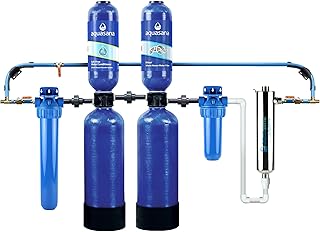
- Whole-house softener or bundle — best if scale, appliance wear and widespread plumbing effects are your priority. For example, the Aquasure 64K Bundle combines a softener with an RO drinking system for whole-home protection plus purified water at a tap.
- Under-sink RO — ideal when your main goal is high-purity drinking and cooking water; many RO units also add remineralization for taste and balanced pH. High-quality drinking water also benefits coffee and espresso—see our guide to best home espresso machines.
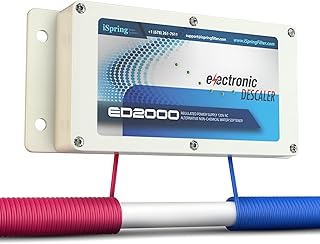
- Conditioners and electronic or template-assisted devices — useful if you want scale reduction without salt use, but may not remove dissolved contaminants the way RO does.
2. Capacity and sizing: match grains and GPD to your household
Select a softener based on grain capacity and an RO by gallons-per-day (GPD). Undersized systems will need more frequent regeneration or struggle to keep up with demand.
- Softener sizing — grain capacity (e.g., 48,000 grains) determines how long the system goes between regenerations; larger households or harder water need higher capacities. The Aquasure Harmony 48K illustrates a mid-size, metered control softener suitable for many homes.
- RO sizing — look at GPD ratings (common values: 50–75 GPD). A 75 GPD unit is a solid starting point for families who use RO water for drinking and cooking. If you frequently use water for multiple appliances, consider models sized for continuous use and review the best espresso machines with large water tank.
- Consider future needs — if your household may expand or appliances will be added, choose the next capacity up to avoid short cycling.
3. Performance metrics: flow rate, waste ratio, and remineralization
For RO systems in particular, pay attention to how quickly they produce water, how much wastewater they generate, and whether they restore minerals for flavor.
- Waste ratio — some modern RO designs cut wastewater dramatically. The Home Master TMAFC-ERP advertises a low waste ratio and fast fill performance if efficiency and speed matter to you.
- Flow and tank size — faster fill rates and larger holding tanks reduce wait times for faucets that rely on RO taps.
- Remineralization — if you dislike the flat taste of pure RO water, look for units with alkaline or mineral stages to restore taste and pH balance. This is especially important if you brew espresso at home; check the best espresso machines easy to clean for units that pair well with treated water.
4. Installation, maintenance, and operating costs
Installation complexity and ongoing maintenance are major considerations. Whole-house systems typically require plumbing work and space, while under-sink RO systems are more compact but need periodic filter changes.
- Filter and salt replacement — estimate annual costs for replacement cartridges or softener salt and check how easy filters are to change.
- DIY vs professional install — under-sink RO units can often be DIY-installed; whole-house softeners and bundles may be best handled by a plumber. For kitchen convenience, pair your water system with a user-friendly coffee machine; see our best espresso machines easy to use guide when choosing appliances.
- Maintenance products — routine softener and system cleaning prolongs life; for example, cleaners like Pro Products Res Care are designed for system maintenance and scale removal.
5. Certifications, contaminant removal and warranty
Check independent certifications and the list of contaminants a system reduces. Certified products give measurable assurance of performance; warranties and parts coverage protect your investment.
- NSF/ANSI certifications — these indicate validated claims for material safety and contaminant reduction. The APEC ROES-PH75 is an example of an RO unit with noted NSF certifications for materials and performance.
- Contaminant list — compare what’s reduced (hardness minerals vs. lead, PFAs, chloramine, etc.) so you get a system that addresses your water report.
- Warranty and support — longer parts warranties and accessible customer service are helpful when systems need repairs or replacement parts.
FAQ
What is the best water treatment system for hard water in a house?
For whole-house protection against scale and staining, a dedicated water softener is usually the best choice because it removes the hardness minerals that cause buildup. Size the unit to your household’s hardness level and daily water use rather than buying the cheapest option. If you want an easy starter option with a digital metered head, consider the Aquasure Harmony Series softener as a user-friendly example. A properly sized softener will protect appliances, plumbing and fixtures throughout your home.
Should I choose a water softener or a reverse osmosis system for hard water?
Water softeners and reverse osmosis systems solve different problems: softeners remove calcium and magnesium to prevent scale, while RO systems reduce dissolved solids and contaminants for drinking water. For most homes with hard water, a softener for whole-house protection plus an under-sink RO for drinking and cooking water is the ideal setup. An under-sink RO like the iSpring RCC7AK is a common choice for high-quality drinking water after softening. Combining both gives you scale control everywhere and the best-tasting, low-contaminant water at your tap. If you plan to use softened or RO-treated water for coffee, consult our best espresso machines for home use to pick a machine that benefits from low-mineral water.
Will a whole-house filter stop hard water stains and scale buildup?
Most whole-house filters focus on sediment, chlorine, and some chemical contaminants but do not remove hardness minerals that cause scale and staining. Only a water softener using ion exchange (or certain proven conditioning systems) will substantially reduce scale formation. If you already have a whole-house filter, add a softener ahead of it to protect plumbing and improve the filter’s performance. Check product specifications carefully—look for “softener” or “ion exchange” if scale prevention is your goal.
How do I size a water softener for a 3-bedroom house?
Estimate household water use (commonly 75–100 gallons per person per day) and multiply by the number of occupants and the grains-per-gallon (gpg) hardness to get daily grain removal. Multiply daily grains by the number of days between regenerations you prefer (often 7–14 days) to determine required softener capacity. For example, 4 people × 75 gpd × 10 gpg = 3,000 grains per day, so a 21,000-grain softener regenerating weekly would be appropriate. Always add a safety margin and consult product specifications to match capacity to your needs.
How often should I maintain or clean a hard water treatment system?
Maintenance frequency depends on system type and usage: check salt levels and add salt every 2–6 weeks, inspect the brine tank monthly, and clean or sanitize the tank about once a year. Resin beds may need cleaning with a manufacturer-recommended cleaner annually or if performance drops. For softener cleaning and maintenance, a dedicated cleaner like Pro Products Res Care can help remove buildup safely. If you use an RO system, plan filter changes every 6–12 months and a membrane check every 2–3 years depending on water quality.
Final Verdict
The strongest water-treatment systems outperformed weaker options by combining verified contaminant reduction, manageable water waste, and straightforward maintenance. Prioritize NSF certification, adequate GPD for your household, a low waste-to-production ratio, durable multi-stage filtration, and clear filter-replacement guidance. The best-performing systems shared proven certifications, reliable remineralization or catalytic carbon stages, and easy installation/servicing—features that consistently deliver scale control, better-tasting water, and long-term value.
🏆 Best Overall: iSpring RCC7AK Alkaline 6-Stage Reverse Osmosis
💰 Best Budget: Home Master TMAFC-ERP Artesian Full Contact RO System
⭐ Best Premium: Express Water ROALK5D 10-Stage Alkaline RO System




Write Your Review
No reviews yet. Be the first to share your experience!