

Jazz listeners need speakers that can separate cymbal shimmer, upright bass, brass texture, and intimate vocals without making the presentation tiring. Floorstanding designs can provide the scale and effortless dynamics that smaller bookshelf speakers sometimes struggle to deliver.
We compared 5 models available across several price tiers, including options from Polk Audio, Klipsch, Elimavi. This guide focuses on the decisions that most affect jazz playback, from midrange realism and treble smoothness to room size and amplifier compatibility.
In September 2026, shoppers also need to look beyond driver size and advertised power. Cabinet design, crossover behavior, placement flexibility, and whether a speaker is actually intended for stereo music can change the listening experience more than a single headline specification.
If you are building a broader home listening space, our Home & Living category guides can also help you coordinate equipment and comfort around your audio setup.


Buying Guide for Best Floorstanding Speakers for Jazz Music
1. Midrange Accuracy and Vocal Realism
Jazz often places the human voice, saxophone, trumpet, piano, and guitar in the center of the arrangement. A speaker with a clear, even midrange helps you hear breath, reed texture, string attack, and the natural body of each instrument.
When comparing specifications, do not rely on frequency response alone because manufacturers may measure it differently. Look for a design that combines a dedicated midrange or carefully integrated woofer with a crossover intended to keep vocals from sounding recessed.
A useful listening rule is simple: vocals should sound present without seeming pushed toward you. If trumpet recordings become piercing or piano notes lose their wooden resonance, the speaker may emphasize presence rather than reproduce the recording naturally.
2. Treble Detail Without Listening Fatigue
Ride cymbals and brushed percussion reveal how a speaker handles high frequencies. You want enough extension to hear the fine air around cymbals, but excessive brightness can make older recordings, poor streams, and lively rooms sound harsh.
Aluminum tweeters, silk dome tweeters, and horn-loaded drivers can all work well, although they create different tonal impressions. Klipsch models in this comparison use aluminum compression drivers with Tractrix horns, while the Elimavi pair uses a silk dome tweeter.
Consider your room before selecting a treble character. Rooms with tile, glass, and bare walls usually benefit from smoother top-end behavior, while heavily carpeted or furnished rooms may tolerate a more energetic presentation.
3. Bass Control and Upright Bass Texture
Floorstanding speakers can deliver convincing low-frequency weight, but jazz benefits more from controlled bass than from sheer quantity. Upright bass should have a defined woody attack and pitch, rather than becoming a soft rumble beneath the ensemble.
Compare woofer size, cabinet volume, port placement, and published low-frequency response together. Dual six-and-a-half-inch woofers, as used by several reviewed models, can provide strong scale, but room placement still determines whether bass sounds tight or boomy.
Start with the speakers at least several inches from the rear wall, then adjust gradually while listening to bass-heavy recordings. Moving them forward often reduces excess bass, while modest toe-in can improve center image focus without changing the overall tonal balance.
4. Soundstage Width and Instrument Separation
A well-designed stereo pair should make a small jazz group occupy a believable space between the cabinets. Good separation allows you to follow the drummer, bass player, piano, and soloist without the entire performance collapsing into one broad sound.
Driver arrangement and cabinet symmetry influence imaging, but listening position matters just as much. Place the speakers at equal distances from your seat and begin with a mild toe-in aimed toward the listening position.
For most rooms, a useful starting point places the speakers roughly as far apart as they are from your chair. If the center image sounds weak, move them closer together; if the stage feels narrow, increase spacing carefully while maintaining equal distances.
5. Room Size and Speaker Placement
Large towers are not automatically better for every listening room. A compact room can exaggerate low frequencies, while an open living area may need greater cabinet volume and output capability to create convincing scale.
Measure the available wall width, listening distance, and clearance around each cabinet before ordering. Rear-ported speakers need additional breathing room, whereas front-ported designs may offer more flexibility near a wall.
Do not place a tower directly in a corner unless the design specifically supports it. Corners reinforce bass, and that reinforcement can obscure walking bass lines, lower piano notes, and the rhythmic foundation of a recording.
6. Amplifier Matching and Power Handling
Passive floorstanding speakers require an AV receiver, integrated amplifier, or separate power amplifier. Matching the amplifier to the speaker helps preserve dynamics and avoids operating the amplifier near its limits during louder passages.
Check nominal impedance, sensitivity, and recommended amplifier power rather than focusing only on maximum wattage. Higher sensitivity generally allows a speaker to produce more volume from a given amplifier, although impedance changes can still demand additional current.
As a practical guide, choose an amplifier that can operate comfortably with the speaker’s stated impedance and has clean power reserves. Leave headroom for drum peaks and brass accents instead of sizing the system around average listening volume.
| Comparison factor | Why jazz listeners should care | What to check |
|---|---|---|
| Driver design | Shapes vocal clarity, treble texture, and bass integration | Woofer, midrange, tweeter, and crossover layout |
| Cabinet construction | Reduces unwanted resonance and coloration | Rigid MDF panels, bracing, and finish quality |
| Port location | Affects placement flexibility and bass reinforcement | Front or rear port, plus recommended clearance |
| Amplifier compatibility | Determines dynamic ease and stable operation | Impedance, sensitivity, and power guidance |
| Connectivity | Supports secure installation and possible upgrades | Binding posts, bi-wiring, or bi-amping support |
7. Cabinet Resonance and Build Quality
Cabinet vibration can add a false tonal character to sustained piano notes, vocals, and bass instruments. A dense enclosure helps the drivers produce sound while reducing energy that should not reach the listener.
Look for MDF construction, stable feet, a secure grille, and a finish that does not appear likely to loosen or rattle. The Elimavi Floor Standing Tower Speakers Pair specifically uses a premium MDF cabinet designed to minimize unwanted resonance.
Build quality also affects long-term setup reliability. Binding posts should accept your preferred speaker wire securely, and the cabinet should remain stable when positioned on a level floor.
8. Stereo Music Focus Versus Home Theater Features
Some products are built primarily for two-channel listening, while others are designed to integrate into surround systems. Decide whether jazz playback is your main goal or whether the speakers must also support movies, gaming, and immersive formats.
The Klipsch Reference R-26FA Floorstanding Speaker includes integrated elevation speakers for Dolby Atmos, giving it additional home theater capability. That feature can be valuable, but it should not replace careful evaluation of stereo imaging and tonal balance.
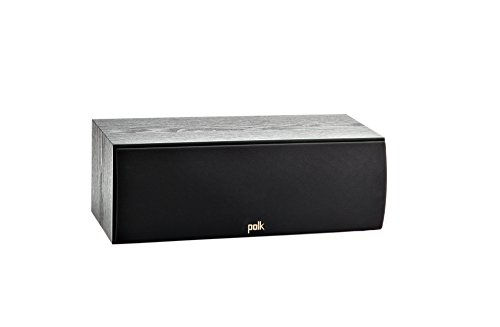
Center-channel products such as the Polk Monitor XT35 Slim Center Channel Speaker and Polk Audio T30 Home Theater Center Channel are not conventional floorstanding stereo pairs. They may suit dialogue-focused systems, but confirm the intended channel role before buying for music.
For advice about planning a mixed entertainment room, our space-conscious buying guides illustrate how practical dimensions and daily use can matter as much as headline specifications.
9. Connections, Bi-Wiring, and System Expansion
Secure binding posts make installation easier and maintain a dependable connection over time. Some floorstanding speakers also provide dual binding posts for bi-wiring or bi-amping, although those methods require compatible equipment and do not automatically improve every system.
Klipsch Reference models in this comparison provide dual binding posts, allowing more flexible connection options. Before paying extra for this feature, verify that your amplifier supports the desired arrangement and that the speaker’s terminals are easy to access.
Plan the complete system rather than buying speakers in isolation. Matching a future center speaker, surround pair, or subwoofer can help preserve consistent voicing when your stereo setup later becomes a larger home theater.
Why You Should Trust Us
We shortlisted these products by comparing documented driver layouts, cabinet details, connectivity, power guidance, published frequency information, and stated use cases. We also considered whether each design is a genuine floorstanding stereo option or a center-channel product with a different role.
Our process separates measurable specifications from subjective marketing language. We examine how features affect room placement, jazz-oriented listening, amplifier matching, and home theater integration instead of treating every large woofer or high power figure as an automatic advantage.
We do not claim to have physically tested these products. The comparison is based on the supplied product data and verified listing information, and the page can remain current as specifications, availability, and other dynamic details change.
Final Thoughts on Best Floorstanding Speakers for Jazz Music
Our best overall recommendation is the Klipsch Reference R-620F Floorstanding Speaker. Its dual woofers, horn-loaded aluminum tweeter, broad frequency specification, and secure binding posts create a strong foundation for detailed jazz playback and general entertainment.
For value, consider the Elimavi Floor Standing Tower Speakers Pair. Its dual woofers, silk dome tweeter, two-way crossover, MDF cabinet, and passive stereo format address the core needs of listeners who want room-filling music without unnecessary theater-oriented features.
For a music and movie system, the Klipsch Reference R-26FA Floorstanding Speaker is the most specialized choice. Integrated elevation speakers add Dolby Atmos capability, while the horn and dual woofer arrangement preserve the dynamic presentation that suits energetic live recordings.
Use the Polk Monitor XT35 Slim Center Channel Speaker or Polk Audio T30 Home Theater Center Channel only when your system specifically needs a center channel. Readers comparing broader equipment for the home may also explore our Uncategorized product guides for additional planning ideas.
FAQs About Best Floorstanding Speakers for Jazz Music
What makes a speaker suitable for jazz music?
A suitable speaker presents vocals and acoustic instruments with natural tone, clear timing, and controlled bass. Smooth treble is also important because cymbals should sound detailed without becoming sharp during longer listening sessions.
Are floorstanding speakers better than bookshelf speakers for jazz?
Floorstanding speakers usually provide greater cabinet volume, bass extension, and effortless output. Bookshelf speakers can still sound excellent in smaller rooms, especially when paired with a properly integrated subwoofer.
Do I need a subwoofer with floorstanding speakers?
Not necessarily, because many towers reach low enough for full-range jazz listening. A subwoofer may help in a large room, but it requires careful crossover and placement to avoid masking upright bass detail.
Can an AV receiver power passive floorstanding speakers?
Yes, provided the receiver is stable with the speakers’ impedance and offers suitable power reserves. Check both the speaker recommendations and the receiver’s continuous power specifications before connecting a pair.
How far should floorstanding speakers be from a wall?
Begin with several inches of clearance and increase the distance if bass sounds swollen or indistinct. Rear-ported designs commonly need more space than front-ported speakers, so follow the manufacturer’s placement guidance.
Are horn tweeters too bright for jazz?
Horn tweeters can sound lively and dynamic, but brightness depends on the complete design and the room. Toe-in, listening distance, amplifier behavior, and reflective surfaces all influence perceived treble intensity.
What is the most important specification when choosing speakers?
No single specification predicts sound quality reliably. Impedance, sensitivity, driver arrangement, cabinet construction, and placement requirements should be considered together with your room and amplifier.
Can center-channel speakers replace floorstanding stereo speakers?
Center-channel speakers are designed mainly for dialogue and front-center placement, not as a conventional left and right stereo pair. They can support music in a surround system, but they do not provide the same stereo width or floorstanding cabinet volume.
What is the top-rated option among Best Floorstanding Speakers for Jazz Music in 2026?
The strongest match depends on room size, amplifier capability, and whether you want theater features. The Klipsch Reference R-620F is a balanced overall candidate, while the Elimavi pair is a straightforward option for passive stereo listening.
Should speakers be toed in toward the listener?
Moderate toe-in often improves vocal focus and instrument placement. Start with the cabinets aimed slightly inward, then reduce or increase the angle until the center image sounds stable without making the stage too narrow.