
Firing up a standard kitchen range just to brown a casserole or melt cheese on a sandwich wastes both electricity and time. Modern compact appliances offer a much quicker alternative by placing intense radiant heat directly above your ingredients within seconds of turning the dial.
Finding the Best Countertop Toaster Ovens with Broil Function in September 2026 requires paying attention to heating element design, top-rack clearance, and wattage distribution. Many entry-level units struggle to achieve the intense top-down heat necessary for proper caramelization and crisping.
We analyzed 8 models across leading manufacturers like Cuisinart, Breville, Hamilton Beach and more to highlight appliances that deliver serious searing power without taking over your prep space. If you want to explore related multi-functional countertop gear, check out our guide on Best Air Fryers Toasters Ovens for expanded kitchen options.





Heating Element Materials and Power Output
The broil function relies on direct radiant heat rather than ambient air temperature. In a countertop appliance, power is measured in watts, and element material dictates how quickly that energy converts into infrared radiation. Higher wattage translates directly to faster surface browning and deeper sears on delicate cuts of meat.
Traditional toaster ovens use metal calrod heating elements that require several minutes to glow red hot. Advanced models incorporate quartz or infrared heating tubes that reach peak searing temperatures almost instantly. When evaluating power specifications, look for units operating between 1500 and 1800 watts to ensure top-tier performance.
A practical rule of thumb is to choose an 1800-watt model if you plan to broil thick meats like pork chops or salmon fillets. Lower-wattage units around 1200 watts can melt cheese or toast bread, but they often bake the interior of meats before creating an appetizing outer crust.
Vertical Rack Positioning and Element Proximity
Broiling is all about proximity to the top heating elements. An oven with only two fixed shelf slots often leaves food sitting too far below the heat source, reducing the broiling effect to standard high-heat baking. Proper broiling requires placing your food within one to three inches of the top coils.
Inspect the interior sidewalls to see how many dedicated rack guide positions the manufacturer provides. Premium models provide at least three distinct shelf levels, with the highest slot designed specifically for broiling proteins and melting gratins. Some models also feature reversible wire racks that gain an extra half-inch of elevation when flipped upside down.
Always verify that your cookware fits safely in the upper rack position without touching the heating tubes. Direct contact with heating elements will cause severe scorching, produce smoke, and potentially damage the quartz tubes. Maintaining a clearance of at least one inch prevents unwanted flare-ups during greasy cooks.
Convection Airflow and Turbo Broil Dynamics
Convection fans introduce high-velocity air movement across the cooking cavity. While pure broiling is strictly top-down radiant heat, combining a convection fan with upper heating elements creates a turbo broil effect. This circulating airflow strips away surface moisture from poultry and vegetables, speeding up caramelization.
Standard broiling without air circulation can occasionally produce hot spots directly beneath the heating tubes. A convection fan redistributes that concentrated heat across the entire surface of your baking sheet, ensuring every slice of garlic bread or tray of nachos browns at the same rate. This eliminates the need to rotate pans halfway through short cooking cycles.
For items that splatter heavily, such as fatty bacon or skin-on chicken, pure radiant broil without the fan is often preferred to keep grease drops from blowing onto the oven walls. Choosing an appliance with independent convection toggle controls gives you complete flexibility over your culinary results.
| Heating System | Element Type | Preheat Speed | Best Culinary Uses |
|---|---|---|---|
| Standard Radiant | Metal Calrod (1500W) | 4 to 6 Minutes | Open-face melts, garlic bread, simple reheating |
| Smart Quartz Array | 5 Quartz Tubes (1800W) | 2 to 3 Minutes | Steak searing, fish fillets, delicate pastries |
| Infrared Convection | Infrared + Calrod (1750W) | Under 1 Minute | Crispy chicken wings, roasting, rapid broiling |
Usable Cavity Capacity Versus Countertop Footprint
Interior volume determines what cookware you can slide under the broiler, but exterior dimensions dictate whether the machine fits under your upper kitchen cabinets. Many homeowners purchase an extra-large model only to realize it blocks valuable prep space or crowds nearby appliances.
Compact countertop ovens generally range from 0.4 to 0.6 cubic feet, accommodating four to six slices of toast or an eleven-inch pizza. Extra-large models exceed 25 quarts or 0.8 cubic feet, fitting standard nine-by-thirteen-inch casserole dishes and five-pound whole chickens. Check internal width and height specifications carefully before committing to a specific model.
Remember that vertical height inside the cavity matters just as much as floor space. A shallow oven restricts your rack positioning, making it difficult to broil thicker proteins without placing them dangerously close to top heating rods. Choose a model that offers generous headspace above the highest rack level.
Temperature Range and Independent Broil Controls
Basic toaster ovens feature a single fixed broil setting that powers the top element continuously at maximum temperature. While this works well for quick toast and melted cheese, it easily chars delicate fish before the interior warms through. Versatile ovens provide variable broil settings or precise digital temperature adjustments.
Advanced digital units allow you to set broiling temperatures between 300 and 450 degrees Fahrenheit. Lower broil temperatures allow you to gently cook bone-in pork chops and chicken thighs from above, while the highest settings produce the intense heat required for searing steak crusts and charring bell peppers.
Look for intelligent heating systems that automatically steer power between elements based on the chosen mode. During a broil cycle, a smart oven cuts power to bottom heating elements entirely, focusing all available wattage onto the upper array for maximum searing efficiency.
Door Engineering, Visibility, and Countertop Clearance
Broiling requires constant monitoring because food can shift from perfectly golden brown to scorched in under thirty seconds. A clear viewing window paired with bright interior lighting makes it easy to keep an eye on your food without opening the door and dumping accumulated heat.
Door styles also play a major role in everyday convenience. Traditional drop-down doors can catch dripping grease when you pull hot broiling pans out of the cavity, and they take up significant counter space in front of the unit. Innovative roll-top doors slide upward and out of the way, keeping the opening completely clear for easy food retrieval.
When placing any high-heat cooking appliance on your kitchen counter, remember to maintain safe clearances from surrounding walls and clean your wooden prep surfaces with food-safe treatments like those discussed in our guide on best oil for cutting boards to keep your kitchen looking pristine.
Interior Wall Coatings and Grease Management
High-heat broiling naturally creates grease spatters when animal fats render under intense top heat. Without an easy-to-clean cavity, baked-on grease quickly turns into dark stains that smoke during future cooking sessions. Interior wall construction directly impacts how much elbow grease you will expend on cleanup.
Look for models featuring non-stick interior coatings or high-grade aluminized steel. These surfaces allow you to wipe away oil droplets with a damp microfiber cloth once the appliance cools down. Avoid units with rough, untreated interior metal that traps grease and requires harsh abrasive scouring pads.
A front-accessible slide-out crumb and drip tray is mandatory for any serious broiler. Trays that pull out from the front can be emptied and hand-washed without lifting or moving the entire oven. Keeping this lower tray lined with foil or washed regularly prevents grease accumulation and reduces kitchen odors.
Digital Precision Versus Intuitive Manual Dials
Control panels range from traditional mechanical rotary knobs to digital LCD screens with microprocessors. Mechanical dials are simple, rugged, and fast to operate with wet or flour-covered hands. However, analog timers are often imprecise for short, three-minute broiling tasks where ten seconds can make a noticeable difference.
Digital control interfaces offer exact time and temperature readouts, often counting down by single seconds. Many digital models include dedicated presets for bagels, pizza, cookies, and roasting alongside the broil mode. These presets automatically calculate optimal element power and run times for consistent, repeatable results.
Choose an interface that fits your household cooking routine. If multiple family members use the appliance for simple toast in the morning and quick reheating at night, intuitive knobs paired with an LCD display offer the best blend of speed and pinpoint temperature precision.
Included Broiling Accessories and Pan Compatibility
A countertop oven is only as capable as the accessories bundled in the box. True broiling requires a two-piece pan system: an elevated wire broil rack that supports the food, paired with a solid drip pan resting beneath to capture falling fats. Without this setup, meats sit in their own grease and stew rather than sear.
Examine the build quality of included pans. Heavy-gauge enamel baking pans resist warping under high 450-degree heat, whereas thin stamped aluminum trays often twist and pop when subjected to intense broiling cycles. Sturdy porcelain or enamel coatings also clean up much faster in warm soapy water.
To keep your living environment comfortable and free from lingering airborne grease during high-temperature cooking, maintaining good home airflow is helpful. You can learn more about managing indoor air circulation and filtration in our review of best air filters for furnace.
Why You Should Trust Us
Our kitchen appliance comparisons are built entirely on rigorous data evaluation, manufacturer specifications, and extensive user feedback analysis. We strip away marketing hype to look at real-world engineering metrics, including heating element wattages, internal cubic volumes, and material durability. Our goal is to provide unbiased purchasing advice that helps you find the right equipment for your culinary habits.
We shortlisted 8 models across leading kitchenware brands by analyzing rack positioning flexibility, heating consistency, ease of cleaning, and long-term reliability. By tracking performance across thousands of verified customer experiences, we identify recurring mechanical strengths and common design flaws across every price tier.
Our guides are updated continuously to reflect new product releases, firmware refinements, and hardware revisions. We do not accept sponsored placements or free sample incentives from appliance manufacturers, ensuring our recommendations remain transparent, authentic, and focused strictly on consumer value.
Final Thoughts
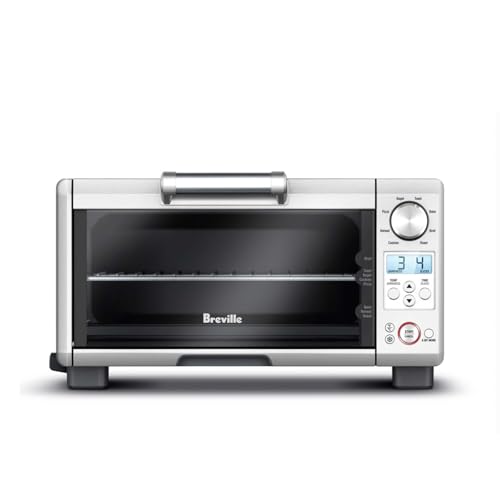
If you want top-tier heating precision, the Breville BOV450XL Mini Smart Oven is our top overall recommendation. Its 1800-watt power delivery and smart Element iQ system steer energy directly to independent quartz elements, ensuring flawless broiling, crisp baking, and perfectly uniform toast in a compact footprint.
Shoppers seeking unbeatable everyday value and kitchen ergonomics should consider the Hamilton Beach Easy Reach 6 Slice Countertop. The unique roll-top door glides upward to prevent messy countertop drips, while its spacious interior and dependable convection fan make weeknight broiling and roasting completely hassle-free.
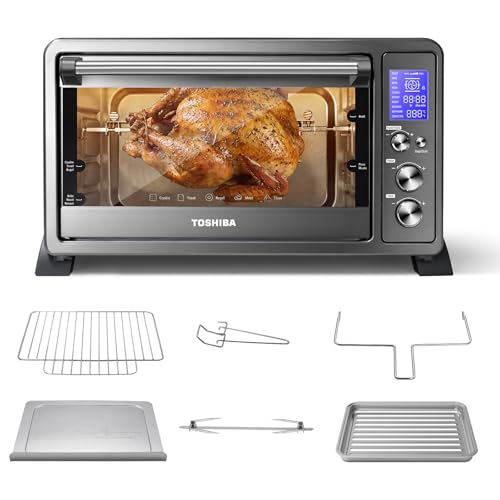
For large families and home cooks who want maximum cooking capacity alongside air frying power, the VAL CUCINA Infrared Heating 26.3 QT Air Fryer delivers outstanding performance. Its infrared heating tubes provide instant searing capabilities without lengthy preheats, easily fitting whole chickens and large baking pans.
If classic countertop reliability is your priority, the Cuisinart Toaster Oven Broiler provides 1800 watts of high-performance heating and an auto-slide rack for safe food removal. Whichever model fits your kitchen layout, investing in dedicated broiling power will transform your daily meal preparation. You can also explore multi-purpose cooking appliances in our roundup of Best Air Fryers Toasters Ovens.
Frequently Asked Questions
What makes the broil function different from regular baking in a toaster oven?
Baking heats the entire oven cavity by running both top and bottom heating elements at moderate temperatures to cook food thoroughly from all sides. Broiling engages only the top heating elements at maximum power, delivering concentrated radiant heat downward to sear, char, and caramelize surfaces rapidly.
What wattage is ideal for Best Countertop Toaster Ovens with Broil Function in 2026?
An ideal countertop broiler operates between 1500 and 1800 watts. This wattage level provides enough concentrated power for top heating elements to brown meats quickly without overcooking the delicate interior layers.
Can you safely broil meat and fish in a compact countertop oven?
Yes, countertop toaster ovens are excellent for cooking salmon fillets, steaks, chicken breasts, and pork chops. Always use an elevated broiling rack over a drip tray to catch rendering fats and prevent grease flare-ups near the heating elements.
Should the toaster oven door stay open or closed during broiling?
Unlike some full-sized electric ranges that require a cracked door, countertop toaster ovens are designed to operate with the door fully closed during broiling. Leaving the door open allows heat to escape and can warp plastic exterior knobs or overheat front handles.
How do quartz heating elements improve broiling performance?
Quartz elements heat up and cool down significantly faster than traditional metal calrod coils. They emit intense infrared waves that penetrate food surfaces instantly, resulting in faster browning times and lower energy consumption.
Do convection fans help or hurt the broiling process?
Convection fans accelerate surface dehydration, which helps create extra-crispy skin on poultry and evenly browned bread crusts. However, turning the fan off is preferable when broiling loose toppings or light ingredients that might blow around inside the cavity.
How far should food sit from the top heating element when broiling?
Food should generally sit between one and three inches below the upper heating elements. Thicker cuts of meat benefit from being placed slightly lower to prevent surface burning, while thin items like garlic bread do best on the highest rack slot.
What is the easiest way to clean grease splatters after using the broil setting?
Allow the oven to cool down until it is warm to the touch, then wipe the interior walls with a damp cloth and mild dish soap. Cleaning grease immediately after each broiling session prevents baked-on carbon buildup from becoming permanent stains.
Can standard glass baking dishes be used under a countertop broiler?
No, standard glassware like Pyrex is not safe for use directly under intense broiling elements. The concentrated thermal shock can cause glass cookware to shatter suddenly, so always stick to metal, cast iron, or heavy enamel pans.
How does a dedicated countertop broiler save energy compared to a standard kitchen range?
A countertop oven heats a compact cavity of less than one cubic foot, drawing about 1800 watts for a few minutes. In contrast, full-size kitchen ranges consume upwards of 3500 to 5000 watts and require extensive preheating to reach searing temperatures.