Tracking your cardiovascular vitals at home has evolved beyond clumsy manual pumps and paper logbooks. Modern connected cuffs take reliable arterial measurements and send those readings directly to your smartphone or cloud profile. This automated workflow eliminates recording errors and gives your physician a clear view of your trends over time.
Our updated 2026 analysis covers 10 leading options across trusted manufacturers like iHealth, Withings, RENPHO and more. Whether you manage hypertension or track wellness for fitness goals, selecting a monitor that combines verified clinical accuracy with intuitive software is essential. You can explore broader wellness equipment in our Health & Family resource section.
Many shoppers struggle with confusing cuff measurements, patchy Bluetooth connections, or restrictive software subscription models. This comprehensive guide breaks down the essential hardware standards, data sharing tools, and battery technologies available in September 2026. By the end of this review, you will know exactly which smart device fits your arm and daily routine.





Clinical Validation and Regulatory Clearance
Clinical accuracy is the foundational requirement for any medical device used outside a clinic. Regulators like the FDA evaluate blood pressure monitors using strict testing protocols from organizations such as the Association for the Advancement of Medical Instrumentation. Always check whether a device holds validated clearance rather than standard consumer electronics certifications.
Non-validated monitors frequently deliver erratic systolic and diastolic readings that can misrepresent your true baseline. These inaccurate numbers may lead to unnecessary medical anxiety or missed signs of hypertension. Verifying clinical testing ensures that the underlying oscillometric algorithm produces hospital-grade results on consistent arm sizes.
When shopping, check independent validation databases like the US Blood Pressure Validated Device Listing or Stride BP registries. Devices meeting these independent benchmarks have demonstrated consistent pressure tracking against gold-standard auscultatory mercury sphygmomanometers. Investing in a validated device gives both you and your physician complete confidence in recorded trends.
Cuff Sizing and Arm Circumference Fit
An improperly fitted cuff is the most frequent source of measurement error in home blood pressure tracking. A cuff that is too narrow artificially raises your pressure readings by squeezing arterial walls unevenly. Conversely, an oversized sleeve creates loose contact that understates your actual systolic levels.
Before purchasing a monitor, measure your mid-upper arm circumference with a flexible tape measure halfway between your elbow and shoulder. Most modern smart cuffs offer wide-range adjustability covering circumferences from 8.6 inches to 16.5 inches. If your arm circumference falls outside standard dimensions, you will need a dedicated small or extra-large accessory sleeve.
Look for smart devices that feature integrated cuff-fit detection or wrap guides directly on the screen or mobile app. These sensors notify you immediately if the fabric is wrapped too loosely or crookedly before inflation starts. Accurate cuff placement directly over the brachial artery ensures reliable pressure wave capture every single morning.
Connectivity Protocols: Wi-Fi vs. Bluetooth Syncing
Smart blood pressure monitors transmit your measurement data to mobile applications using either Bluetooth Low Energy or direct Wi-Fi connections. Bluetooth models require your smartphone to be awake and in close physical proximity during or shortly after the test. In contrast, Wi-Fi enabled monitors upload results seamlessly to the cloud without opening an app on your phone.
Wi-Fi connectivity provides unmatched convenience for busy households and seniors who may not navigate smartphone menus daily. You simply press a button, take your reading, and the numbers appear automatically in your account dashboard. However, Wi-Fi units typically require initial home network pairing and carry higher price tags.
Bluetooth monitors remain highly practical for travelers and users who prefer direct local synchronization without cloud dependencies. Modern Bluetooth 5.0 protocols connect quickly and consume minimal battery power during daily sync cycles. For additional equipment comparisons, check our guide on traditional home blood pressure machines to evaluate connectivity trade-offs.
Mobile App Usability and Healthcare Data Sharing
The companion smartphone application transforms raw numbers into actionable cardiovascular insights that guide lifestyle changes. High-quality software displays intuitive color-coded graphs that categorize readings based on American Heart Association guidelines. Poorly designed apps with confusing navigation or hidden paywalls undermine the convenience of smart hardware.
Seamless medical report generation is a critical feature if you need to share vitals with your doctor. Look for platforms that export clean PDF summaries, CSV spreadsheets, and customizable date-range logs with a single tap. These clean printouts enable healthcare providers to evaluate medication efficacy without manual transcription.
Third-party health platform integration adds significant long-term value to your overall wellness tracking. Leading applications sync biometrics directly with Apple Health, Google Fit, and Samsung Health ecosystems. This centralized integration allows you to cross-reference blood pressure trends with daily exercise, sleep quality, and dietary habits.
Multi-User Profile Support and Guest Modes
When multiple family members share a single blood pressure monitor, dedicated user profiles are essential to prevent data contamination. Top-tier smart monitors support dual or multi-user switching directly on the hardware with physical toggle buttons or capacitive touch bars. Each user profile syncs exclusively to its own individual smartphone account or cloud dashboard.
Guest measurement modes allow visitors or temporary users to take readings without recording abnormal numbers into your personal history. Without a dedicated guest setting, an occasional high reading from a family member could skew your weekly baseline averages. Advanced monitors offer memory banks with up to several hundred offline slots per designated profile.
High-end smart units can support up to sixteen separate user profiles, making them ideal for large households or communal care settings. Before buying, verify how easily users can swap profiles on the device casing before inflating. Intuitive profile selection prevents accidental data crossovers and keeps your historical health records pristine.
Display Readability and On-Screen Risk Indicators
While smart monitors transfer all records to mobile apps, a clear on-device screen remains indispensable for immediate feedback. Backlit LCD displays with high-contrast digits allow you to read measurements clearly in low-light morning or evening environments. Monitors lacking backlights can be difficult to read for seniors or individuals with visual impairments.
Many top models incorporate color-coded LED indicators that reflect standard clinical hypertension stages instantly. Green lights confirm normal systolic and diastolic parameters, while yellow or red lights flag elevated or high-pressure zones. This visual alert gives you instant situational awareness before opening your smartphone application.
Integrated OLED screens embedded directly into the fabric cuff represent a sleek alternative to bulky desktop base stations. These high-resolution screens show pulse rate, battery levels, and wireless sync status clearly. Check whether the display remains legible from various angles when your arm is resting on a table.
Power Source: Rechargeable Lithium vs. Disposable Batteries
Smart blood pressure monitors operate using either internal rechargeable lithium batteries or standard disposable alkaline cells. Lithium-powered units recharge conveniently via micro-USB or USB-C cables and eliminate the ongoing cost of buying disposable batteries. A single charge on a modern lithium monitor often delivers several months of twice-daily inflation cycles.
Battery-operated monitors utilizing standard AAA or AA cells remain popular for their dependability during extended travel. When cells run flat, you can swap in fresh batteries immediately without waiting for a charging cable. High-efficiency hardware platforms can achieve six to nine months of operational life on a single set of four alkaline cells.
Consider your daily routine when deciding between rechargeable portability and the convenience of replaceable batteries. If you travel frequently for work or vacations, an ultra-compact USB-C rechargeable unit saves luggage weight. For stationary bedside monitoring, standard battery models offer set-and-forget reliability without cable clutter.
Form Factor: Tubeless All-in-One vs. Desktop Base Stations
The physical architecture of smart blood pressure monitors has shifted dramatically toward tubeless, all-in-one designs. Tubeless models mount the motor, pump, sensor, and digital display directly onto the fabric arm sleeve. This self-contained structure eliminates tangled rubber hoses and allows effortless one-handed placement.
Traditional two-piece designs connect a soft fabric cuff to a separate tabletop base station through a flexible rubber hose. While bulkier, base station units often feature larger LCD screens and expansive physical buttons that some users find easier to operate. They also tend to accommodate larger battery packs or optional AC wall adapters for permanent desk setups.
Choosing between tubeless portability and base station stability depends on where and how you monitor your health. Tubeless cuffs slip easily into backpacks or carry-on luggage for business trips and gym visits. If your monitor will live permanently on a nightstand, a traditional console monitor provides steady resting stability.
Irregular Heartbeat Detection and Pulse Analysis
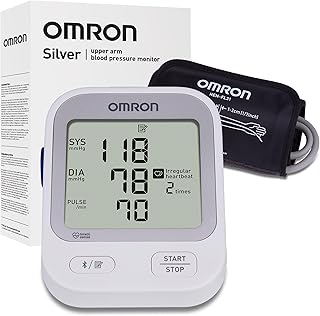
Beyond measuring systolic and diastolic pressures, smart monitors capture continuous arterial pulse wave data during inflation. Built-in cardiac sensors can detect arrhythmias and irregular pulse intervals that might signal underlying cardiovascular issues. An on-screen symbol alerts you if erratic rhythms occur during your measurement cycle.
Early detection of irregular heartbeats provides valuable diagnostic data for your physician to investigate potential conditions like atrial fibrillation. While home monitors do not replace clinical electrocardiograms, frequent arrhythmia warnings warrant professional medical evaluation. Many smart apps automatically flag irregular readings inside your digital logbook for doctor review.
Maintaining overall cardiovascular wellness often involves combining accurate home tracking with lifestyle habits and balanced nutrition. You can explore supporting health strategies like daily heart health supplements like fish oil to complement your routine. Consistent monitoring paired with healthy habits creates an effective foundation for long-term vitality.
| Feature Category | Tubeless All-in-One | Traditional Base Station | Key Benefit |
|---|---|---|---|
| Connectivity Protocol | Bluetooth / Wi-Fi | Bluetooth / USB | Cloud sync and automated phone logging |
| Cuff Compatibility | Integrated Wide-Range | Detachable Multi-Size | Accommodates standard to larger arm circumferences |
| Power Solution | Rechargeable Lithium | AAA/AA Batteries or AC Adapter | Long-lasting power for travel or desktop use |
| User Memory | Unlimited App Storage | Dual Profile On-Device | Maintains distinct historical logs for multiple users |
| Form Factor | Ultra-Portable (No Hoses) | Tabletop Console | Convenient storage and rapid one-handed application |
Why You Should Trust Us
Our review process relies on rigorous analysis of published clinical validation data, regulatory filings, and hardware specifications. We examine performance benchmarks established by medical bodies to ensure every featured monitor meets strict diagnostic tolerances. We do not rely on marketing claims, focusing instead on verified measurement consistency and engineering standards.
We evaluate software ecosystems across iOS and Android platforms to test data synchronization speed, app stability, and export reliability. Medical devices must provide frictionless user experiences, especially when generating doctor-ready reports under tight timelines. Our team continually tracks manufacturer firmware updates and platform security standards to ensure user health data remains protected.
Our editorial independence guarantees unbiased consumer guidance grounded in practical usability and long-term durability. We assess ergonomic cuff designs, screen legibility, and battery efficiency to ensure these tools support real-world health management. You can learn more about our household wellness product assessments in our Home & Living section.
Final Thoughts
Selecting the right smart blood pressure monitor provides actionable insight into your cardiovascular wellness and helps maintain healthy habits. Modern devices eliminate manual logging while providing clear visual feedback on clinical hypertension stages. Among the 10 models compared in September 2026, distinct options emerge for various lifestyles and budgets.
For users seeking seamless cloud synchronization and premium industrial design, WITHINGS BPM Connect – Blood Pressure Cuff represents our top overall recommendation. Its integrated Wi-Fi and Bluetooth connectivity automatically uploads readings without opening your phone, while the clear LED matrix provides instant color-coded feedback. The six-month rechargeable battery and compact tubeless build make it exceptionally practical for daily home use.
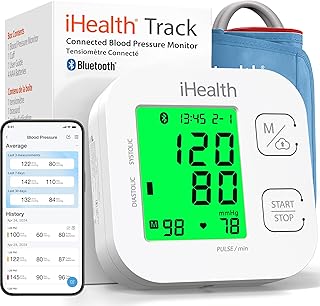
If you need an ultra-streamlined, high-performance travel companion, OMRON Evolv Wireless Blood Pressure Monitor delivers exceptional clinical precision in an all-in-one chassis. Its tubeless structure wraps effortlessly around the arm, and the companion app syncs vital metrics cleanly with Apple Health. Those looking for maximum value will appreciate iHealth Track Smart Upper Arm Blood Pressure, which pairs dependable color-changing backlights with simple Bluetooth logging.
Regardless of which model you select, establishing consistent measurement routines at the same time each day is crucial for reliable trends. Pair your device with a properly fitted cuff, rest quietly for five minutes before taking a reading, and share your exported logs with your physician. Investing in your cardiovascular tracking today builds a dependable foundation for lasting wellness.
Frequently Asked Questions
How accurate are Best Smart Blood Pressure Monitors compared to doctor office readings?
Clinically validated smart blood pressure monitors deliver accuracy comparable to professional auscultatory sphygmomanometers when used properly. Differences in readings often stem from white-coat syndrome in clinics or incorrect cuff positioning at home. Taking readings at consistent times while seated calmly ensures your home data accurately reflects true baseline vitals.
What is the top-rated option among Best Smart Blood Pressure Monitors in 2026?
The top-rated monitors combine verified FDA clearance with effortless wireless data synchronization and wide-range cuff ergonomics. Tubeless models with Wi-Fi connectivity and long-lasting rechargeable batteries consistently rank highest for daily user satisfaction. Choosing a device with seamless Apple Health or Google Fit integration ensures effortless long-term health tracking.
How does Wi-Fi synchronization differ from Bluetooth in smart blood pressure cuffs?
Wi-Fi monitors transmit your reading directly to your secure cloud account without requiring your smartphone nearby during the test. Bluetooth models require an active wireless connection to an open mobile app to transfer your data immediately. Wi-Fi offers superior convenience for multi-user households, whereas Bluetooth provides reliable offline syncing during travel.
Can two people use the same smart blood pressure monitor without mixing data?
Most advanced smart blood pressure monitors support multi-user profiles that keep individual measurements completely separate. You can toggle between designated user accounts using physical buttons or touch controls directly on the cuff casing. Each user profile syncs exclusively to its own paired smartphone app or cloud profile to maintain accurate personal logs.
How do I know what cuff size I need for an upper arm monitor?
Measure the circumference of your bare upper arm at the midpoint between your shoulder and elbow using a flexible tape measure. Standard smart cuffs accommodate circumferences ranging from 8.6 to 16.5 inches, fitting most adults comfortably. Using an improperly sized cuff can artificially skew your systolic readings higher or lower.
Why do blood pressure readings change when taken minutes apart?
Blood pressure fluctuates continuously in response to breathing, posture, emotional stress, and recent physical movement. Taking consecutive readings without resting for at least one to two minutes can cause temporary venous congestion in the arm. Sit quietly with feet flat on the floor and your arm supported at heart level before retesting.
Are smart blood pressure monitors covered by FSA or HSA accounts?
Yes, most digital and smart blood pressure monitors are fully eligible for reimbursement through Flexible Spending Accounts and Health Savings Accounts. You can purchase these medical devices using your dedicated benefit card or submit itemized purchase receipts for reimbursement. Keep your digital invoices handy for tax documentation and benefits compliance.
How often should a smart blood pressure monitor be calibrated?
Medical device manufacturers generally recommend having home blood pressure monitors checked for calibration every one to two years. You can also bring your smart monitor to your annual physician appointment to compare its readings against clinical equipment. This regular cross-check confirms that internal pressure sensors remain strictly within accurate diagnostic tolerances.
Can smart blood pressure monitors detect heart conditions like atrial fibrillation?
Many smart monitors include irregular heartbeat detection algorithms that flag erratic pulse waves during measurement cycles. While this feature provides an important warning to consult your healthcare provider, it does not replace a multi-lead clinical electrocardiogram. Always share repeated arrhythmia notifications with your cardiologist for formal diagnostic assessment.
Does caffeine or exercise affect my blood pressure readings?
Both caffeine consumption and physical exercise temporarily elevate systolic pressure and pulse rates for up to thirty minutes. You should avoid drinking caffeinated beverages, smoking, and vigorous workouts for at least half an hour before testing. For broader mobility wellness, consider reviewing our guide on the best rollator walkers with seats for active living support.