
Long-distance cycling exposes every weakness in a shoe, from pressure points and numb toes to insecure heel hold. Best Cycling Shoes for Long Distance Rides should support efficient pedaling without making your feet feel trapped after several hours.
We compared 6 models from Giro, SHIMANO, Fizik using construction, closure design, sole behavior, ventilation, fit flexibility, and intended pedal system. This guide is updated for September 2026, helping you avoid confusing race stiffness with genuine all-day comfort.
Riders often choose by appearance or stiffness alone, then discover that cleat position, width, and closure pressure matter more over distance. If you also maintain an indoor setup, our guide to smart kitchen appliances for busy routines offers another practical comparison resource.




Buying Guide for Best Cycling Shoes for Long Distance Rides
1. Fit, Width, and Foot Shape
Fit is the first buying decision because a technically advanced shoe cannot compensate for compressed toes or a slipping heel. Your toes should have modest room to spread, while the midfoot remains supported without painful pressure.
Compare the manufacturer’s size chart with your measured foot length, and check whether standard or wide sizing is available. Measure both feet late in the day, since feet commonly expand during extended riding and warm conditions.
A useful rule is to leave roughly a thumb’s width of space beyond the longest toe, but do not size up so far that your heel lifts. Riders with broad forefeet should prioritize a wider last rather than relying on an aggressively tightened upper.
2. Closure and Pressure Distribution
The closure determines how evenly the shoe holds your foot as swelling develops and effort increases. Hook and loop straps are simple and dependable, while BOA systems provide quick micro-adjustment during a ride.
Look for closures that spread tension across the instep instead of concentrating it beneath one narrow strap. The Giro Stylus uses three compression molded straps, while the Giro Regime combines a BOA L6 system with laces and guides.
Tighten only until the foot stops moving inside the shoe, then reassess after warming up. If you regularly experience tingling, loosen the upper before changing size, because excessive closure pressure can restrict circulation.
3. Sole Stiffness and Pedaling Efficiency
Sole stiffness controls how directly force reaches the pedal, but maximum stiffness is not automatically ideal for long-distance comfort. A moderately stiff platform can reduce energy loss while allowing more natural foot movement.
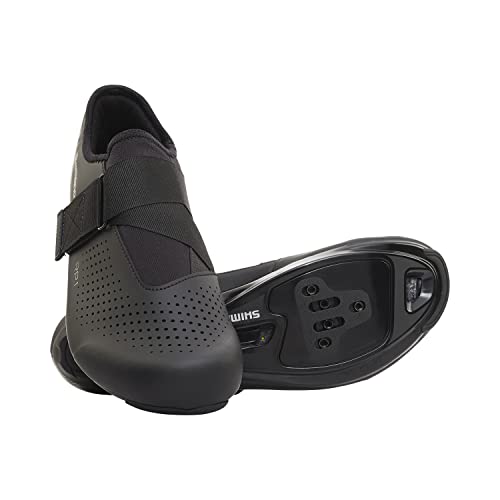
Compare outsole materials, stiffness descriptions, and the shoe’s intended discipline rather than relying on marketing language. The Giro Regime uses an advanced carbon composite outsole, while the Shimano SH-RP101 uses a fiberglass-reinforced sole.
Racers and powerful riders may appreciate a stiffer platform, whereas touring and endurance riders should balance transfer with walking comfort. If your feet ache beneath the arch, a softer insole or different cleat position may solve more than choosing an even stiffer shoe.
4. Cleat and Pedal Compatibility
Compatibility must be confirmed before purchase because road and mountain pedal systems use different mounting patterns. A shoe that does not accept your cleat cannot be made suitable through adjustment alone.
Check the outsole photographs and specifications for SPD, SPD-SL, or other hole patterns, then compare them with your current pedals. The Shimano SH-RP101 supports both SPD and SPD-SL cleats, increasing its usefulness for riders who alternate between indoor and outdoor cycling.
Flat-pedal riders need a different outsole entirely, with continuous rubber and dependable tread around the pedal pins. The Giro Tracker Fastlace is designed for flat pedals and is not compatible with clip-in systems, so its use case is clearly different.
5. Ventilation and Upper Materials
Ventilation becomes increasingly important as ride duration, temperature, and climbing effort rise. Moisture trapped around the foot can create hot spots, soften skin, and make small fit problems feel much worse.
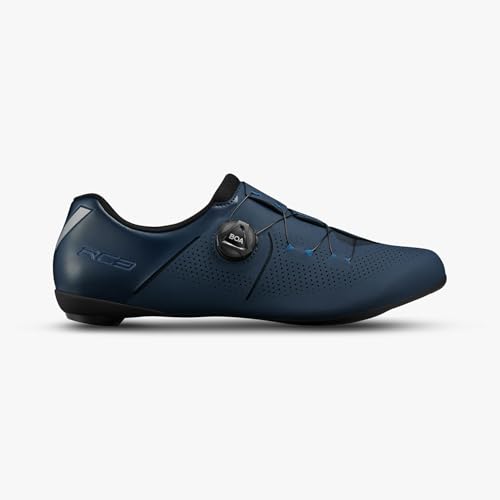
Look for perforated synthetic leather, mesh panels, laser-cut openings, or composite uppers that combine airflow with structural support. Giro’s Synchwire construction uses thermo-bonded film and textile mesh, while the Shimano SH-RC302 adds strategically placed perforations.
More ventilation usually means less insulation and potentially less weather protection, so match the upper to your local conditions. For hot-weather endurance rides, prioritize airflow; for cool, wet routes, consider overshoes rather than selecting an unnecessarily enclosed shoe.
6. Insole Support and Long-Ride Comfort
Comfort comes from the interaction between the insole, upper, outsole, and your foot’s natural alignment. A shoe can feel supportive in a brief fitting but create pressure after repeated pedal strokes.
Inspect whether the footbed offers arch support, removable construction, or room for aftermarket inserts. The Giro Tracker Fastlace includes a molded footbed with medium arch support and a dual-layer EVA midsole, which suits riders using flat pedals.
Test your intended socks with the shoes and simulate your normal riding position before deciding. If you use orthotics, prioritize removable or spacious insoles, then confirm that the replacement does not raise your heel excessively.
7. Cleat Position and Adjustment Range
Small cleat-position differences can change knee tracking, ankle comfort, and the muscles carrying the workload. A shoe with useful adjustment range lets you refine position rather than accepting the first mounting location.
Compare the number of mounting holes, the length of the adjustment slots, and whether the outsole allows meaningful front-to-back movement. The Giro Regime provides five millimeters of cleat adjustment, which can help riders fine-tune their position.
Mark your existing cleat position before changing shoes, then make adjustments in small increments. After each change, ride briefly and watch for new knee, hip, or Achilles discomfort before committing to a longer route.
8. Weight, Durability, and Protection
Lower weight can feel appealing during climbing, but durability and protection matter when shoes face pavement, debris, and repeated clipping. For long-distance use, the best balance is often a reinforced upper without excessive bulk.
Compare toe and heel reinforcement, outsole construction, closure replacement options, and visible stitching or bonded seams. The Giro Stylus adds overmolded TPU toe and heel pads, while the Giro Tracker Fastlace reinforces areas vulnerable to abrasion.
Choose protection according to your route rather than treating weight as the only performance measure. Road-focused riders can favor airflow and low mass, while mixed-surface riders benefit from stronger toe coverage and grippier rubber.
9. Walking Grip and Off-Bike Use
Many endurance routes include cafés, stations, gravel shoulders, or short walks around a destination. Walking behavior depends on tread design, rubber coverage, cleat recess, and outsole flexibility.
Road shoes typically prioritize a streamlined, efficient sole, while flat-pedal mountain shoes use deeper rubber lugs for traction. The Giro Tracker Fastlace is the clear fit for riders who need confident footing away from the bike.
If most of your route is paved and clipped in, walking grip should not outweigh fit and pedaling efficiency. If touring, commuting, or sightseeing is central to your riding, accept some additional sole weight for safer, easier movement.
10. Weather, Visibility, and Maintenance
Endurance shoes need practical details that remain useful after the novelty fades, including reflective elements, washable materials, and closures that tolerate repeated use. These features rarely improve speed, but they can improve reliability and safety.
Reflective logos or rear tabs can increase visibility when illuminated by vehicle headlights, especially during early or late rides. After wet outings, remove the insoles and air-dry shoes naturally instead of placing them against intense heat.
Use a simple comparison table to separate the main design differences before choosing a model.
| Riding priority | Features to favor | Potential compromise |
|---|---|---|
| Road endurance | Ventilation, supportive fit, moderate stiffness | Less walking comfort |
| Fast road riding | Rigid outsole, precise BOA adjustment, cleat range | More demanding fit |
| Indoor and outdoor use | Broad cleat compatibility, easy closure | Less specialized performance |
| Flat-pedal adventures | Rubber tread, grip, cushioning | Not compatible with clip-in pedals |
| Wide feet | Higher-volume forefoot, wide sizing | Potentially less streamlined shape |
Riders comparing equipment for a broader active lifestyle may also appreciate our practical guide to comfortable mobility equipment with supportive seating. The same principle applies here: match features to how you actually move, not how a product looks in a specification list.
Why You Should Trust Us
We built this comparison from the supplied product specifications, verified feature descriptions, stated construction details, intended pedal systems, and available sizing information. We did not claim hands-on testing, so recommendations reflect documented attributes rather than invented ride impressions.
Our shortlist covers several useful design approaches, including road shoes with composite or fiberglass-reinforced soles, wide-fit road shoes, versatile cleat systems, and a flat-pedal option. We considered how closure design, ventilation, foot support, cleat adjustment, and outsole grip change the long-distance experience.
We also separate objective specifications from rider preference, because a stiff road shoe is not automatically better for every cyclist. Product availability and specifications can change, so this comparison should be checked alongside the current retailer listing before purchase.
Final Thoughts on Best Cycling Shoes for Long Distance Rides
Our best overall choice is the Giro Regime Men’s Road Cycling Shoe, Black, because its Synchwire upper, BOA micro-adjustment, carbon composite outsole, and cleat adjustment create a balanced endurance platform. It suits riders who value efficient power transfer while still needing ventilation and repeatable fit control.
The best value direction is the Shimano SH-RP101 High Performing All-Rounder, especially for riders splitting time between road and indoor cycling. Its SPD and SPD-SL compatibility, fiberglass-reinforced sole, mesh construction, and uncomplicated strap make it practical for varied routines.
For riders with wider feet, consider the Fizik Vento Omna Wide, Boa Road Bike Clip-in, which provides higher volume around the forefoot and uses BOA textile guides to distribute tension. Its moderately stiff R5 nylon outsole supports efficient pedaling without making the design exclusively race focused.
Mixed-surface riders should consider the Giro Tracker Fastlace Men’s Mountain Bike Shoe, provided they use flat pedals. For more household and lifestyle comparisons, explore our guide to luggage for long-distance travel, where comfort and practical durability receive similar attention.
FAQs About Best Cycling Shoes for Long Distance Rides
What is the top-rated option among Best Cycling Shoes for Long Distance Rides in 2026?
The Giro Regime stands out for combining a supportive Synchwire upper, BOA adjustment, composite outsole, and useful cleat positioning. It is a strong choice when efficient pedaling and sustained comfort matter equally.
Should long-distance cycling shoes feel tight?
They should feel secure but never painfully tight, especially across the toes and forefoot. A little heel stability is desirable, while numbness usually indicates excessive closure pressure, poor width, or an incorrect size.
Are stiff cycling shoes comfortable for endurance rides?
Stiff shoes can be comfortable when their fit and insole support are correct, because they distribute pedal pressure consistently. Excessive stiffness may feel harsh for riders who walk frequently or prefer a more flexible connection.
How much room should cycling shoes have?
Your longest toe should not touch the front when standing or pedaling, and your toes should retain enough space to spread. Avoid excessive extra length because it can cause heel movement and reduce control.
Can road cycling shoes be used for walking?
They can be used for short, careful walks, but exposed road cleats and limited rubber usually make them awkward. If walking is a regular part of your route, a mountain or touring-oriented design may be safer.
Are BOA closures better than cycling shoe straps?
BOA closures offer fast micro-adjustment and can make pressure changes convenient during long rides. Straps remain simple, lightweight, and dependable, so the better choice depends on your preferred fit control and maintenance habits.
What cycling shoes work with indoor bike pedals?
First identify the pedal’s cleat system, then choose shoes with the matching mounting pattern. The Shimano SH-RP101 is especially adaptable because its outsole supports both SPD and SPD-SL cleats.
Do wide feet need wide cycling shoes?
Wide feet often benefit from a higher-volume forefoot because it reduces pressure around the ball of the foot and metatarsals. The Fizik Vento Omna Wide is designed specifically around that broader fit requirement.
How can cyclists prevent foot numbness?
Start by reducing closure pressure, confirming adequate toe room, and checking that the cleat is not forcing an uncomfortable foot position. Moisture, overly thick socks, and a narrow shoe can also contribute to numbness.
How often should cycling shoe cleats be replaced?
Replace cleats when engagement becomes loose, release feels inconsistent, or the walking surfaces show substantial wear. Heavy use, frequent walking, and gritty conditions accelerate wear, so inspect them regularly rather than relying only on time.