
Bouldering shoes need to turn small foot placements into dependable movement, whether you climb plastic indoors or steep rock outdoors. The right pair should feel precise without creating so much pain that you avoid wearing them between attempts.
We compared 10 models from brands including SCARPA, BLACK DIAMOND, La Sportiva and more for fit, downturn, rubber, closure design, sensitivity, and intended terrain. This guide is especially useful in September 2026, when new climbers often confuse an aggressively shaped shoe with a genuinely suitable shoe.
Many shoppers choose by appearance or assume tighter always means better. Instead, use the criteria below to decide whether your priority is comfortable mileage, precise edging, toe hooking, heel hooking, steep terrain, or a versatile first pair, then explore our Uncategorized buying guides for more comparison advice.




Buying Guide for Best Rock Climbing Shoes for Bouldering
1. Fit, Foot Shape, and Sizing
Fit changes climbing performance more than almost any isolated specification. A shoe should hold your heel and forefoot securely, keep your toes supported, and avoid empty space that allows your foot to slide during a powerful move.
Start with the shape of your foot rather than the brand label. Higher-volume shoes can suit broader feet, while narrower lasts may give low-volume feet better contact, but manufacturer sizing varies enough that you should consult the specific chart.
Synthetic uppers usually stretch little, whereas leather can relax more noticeably. Aim for a snug performance fit without numbness, sharp pressure, or curled toes that remain painful after a short rest.
2. Downturn and Asymmetry
Downturn describes how strongly the shoe curves beneath the toes, while asymmetry directs the shape toward the big toe. Both features can improve power on steep footholds, pockets, and overhanging problems.
A strongly downturned, highly asymmetric design usually sacrifices relaxed comfort for precision. Neutral or moderately curved shoes are easier to wear through long sessions and often perform better when slabs, smears, and beginner-friendly volumes dominate.
Choose the shape that matches your wall time, not your ambition alone. If most attempts occur on vertical terrain, moderate curvature is often sufficient; reserve highly aggressive profiles for consistently steep projects.
3. Rubber Grip and Durability
Rubber determines how confidently you can stand on small edges, smear across volumes, and maintain contact during hooks. Stickier compounds can feel excellent immediately, but softness may wear faster when your technique drags toes across holds.
Compare compound names, thickness, and coverage rather than looking only at the outsole color. A thinner sole tends to communicate more surface feedback, while thicker rubber usually provides more support and a longer service life for developing climbers.
For indoor bouldering, prioritize a balance of friction and durability because textured plastic can be abrasive. Outdoor climbers should also consider rock type, since polished limestone, rough granite, and sandstone reward different combinations of softness and support.
4. Toe Hook and Heel Hook Coverage
Modern bouldering frequently relies on pulling with the feet, so rubber coverage outside the sole matters. A rubber toe patch can improve toe hooks and scums, while a shaped heel helps maintain contact when your body rotates around a hold.
Inspect product images for how far the rubber extends across the toe and around the heel. Coverage is useful only when the shoe fits securely, because loose material can fold, create pressure points, or reduce confidence during a dynamic hook.
Choose broader protective coverage for steep gym problems and technical movement involving repeated hooks. If your climbing consists mostly of edging on vertical faces, prioritize forefoot precision and fit before maximizing rubber panels.
5. Sensitivity Versus Support
Sensitivity describes how clearly you feel the surface beneath the shoe. It helps you detect subtle pressure changes, find balance on poor footholds, and adjust your weight before slipping.
Support comes from rubber thickness, midsole construction, stiffness, and the overall shape. Supportive shoes reduce foot fatigue on tiny edges, but very stiff designs can hide useful feedback and feel less natural on smears.
New climbers often benefit from moderate sensitivity and enough support to build technique comfortably. Experienced climbers may accept more fatigue in exchange for a thin, flexible shoe that delivers precise feedback on steep or technical sequences.
6. Closure System and Adjustability
Closure affects how quickly you can remove shoes between attempts and how precisely you can control the fit. Hook-and-loop straps are convenient for gym sessions, while laces generally offer finer adjustment across different foot shapes.
Single straps are quick but may provide less uniform tension than opposing straps. Lace-up designs can secure the heel and midfoot carefully, although they take longer to adjust when you repeatedly transition between climbing and resting.
Consider your session pattern before choosing. Frequent rest periods favor fast closures, while long routes or feet that need highly specific tension may justify laces and their added adjustment range.
7. Climbing Discipline and Wall Angle
Bouldering includes slabs, vertical faces, roofs, caves, compression, and coordination moves. No single shape is perfect for every style, so identify the terrain you climb most often before comparing technical features.
Flat or moderately curved shoes can smear confidently and remain comfortable across many problems. Aggressive shoes usually become more valuable as the wall steepens, footholds shrink, and toe power matters more than all-day wearability.
A versatile model such as the SCARPA Vapor V targets mixed sport climbing and bouldering, while the SCARPA Drago emphasizes sensitivity and steep technical movement. Think in terms of your usual wall angle rather than a vague desire for maximum performance.
8. Comfort, Break-In, and Session Length
Comfort is not the opposite of performance when it lets you climb more consistently. Shoes that force frequent removal can interrupt learning, reduce attempt quality, and make developing footwork unnecessarily unpleasant.
Consider how long your sessions last and whether you climb several times weekly. A forgiving model with a flatter profile can be the better choice for extended gym sessions, introductory courses, or outdoor days involving repeated walking.
Break-in should soften materials, not correct a fundamentally wrong size. If your toes are painfully compressed, your heel lifts, or pressure remains sharply localized, exchange the shoe instead of hoping time will solve the fit.
9. Construction, Materials, and Resoling
Uppers may use leather, microfiber, engineered knit, or combinations designed to balance stretch, breathability, and structure. Material choice changes how predictable sizing remains and how the shoe feels after repeated sessions.
Leather often conforms gradually, while synthetic materials usually retain their original dimensions more closely. Look for reinforced rand areas and durable toe construction if you frequently scrape footholds or practice toe hooks.
Resoling can extend the useful life of a well-fitting shoe, but severe upper damage may make repair uneconomical. Before buying an expensive performance model, decide whether its fit and construction justify future maintenance.
| Priority | Useful design direction | Trade-off to expect |
|---|---|---|
| Beginner comfort | Neutral shape, moderate support, forgiving upper | Less power on steep terrain |
| Small edges | Stiffer forefoot and supportive rubber | Reduced surface sensitivity |
| Steep boulders | Downturn, asymmetry, sticky rubber | More foot fatigue |
| Toe and heel hooks | Extended rubber coverage and secure heel | Potentially less breathable construction |
| Long sessions | Adjustable closure and comfortable lining | Lower maximum aggression |
This comparison shows why specifications should be read as a system rather than isolated selling points. A sticky outsole cannot compensate for poor heel security, and an aggressive downturn is unhelpful if pain prevents repeated practice.
For adjacent outdoor buying decisions, our international travel luggage guide illustrates the same principle of matching construction to use instead of choosing by headline features.
Why You Should Trust Us
We shortlisted this comparison by examining listed specifications, verified product features, construction details, intended use, closure systems, rubber descriptions, and fit guidance. We then compared models across comfort-oriented, versatile, edging-focused, and steep-terrain categories.
Our approach separates observable information from assumptions. We do not claim to have physically tested these shoes, and we do not treat a product name or aggressive silhouette as proof of superior performance.
Because prices, availability, and retailer information can change, the comparison is designed around durable buying criteria rather than temporary promotions. Product listings and specifications should still be checked before purchase, especially for sizing and current availability.
Final Thoughts
Our best overall choice is the SCARPA Vapor V Rock Climbing Shoes because its moderate downturn and asymmetry bridge comfort with edging and overhung performance. It is a sensible fit for climbers who want one pair across sport routes and bouldering.
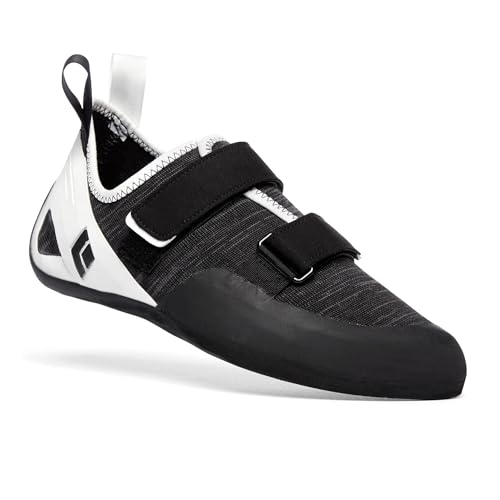
For value and approachable comfort, consider BLACK DIAMOND Men’s Momentum Climbing Shoes. The breathable engineered upper, adjustable straps, and balanced rubber make it appealing for long gym sessions and climbers still developing precise footwork.
For steep, technical problems, our specific-use pick is SCARPA Drago Rock Climbing Shoes – Yellow – 9.5-10. Its aggressive downturn, thin midsole, toe rubber, and sticky compound favor sensitivity, toe hooks, and overhanging boulders.
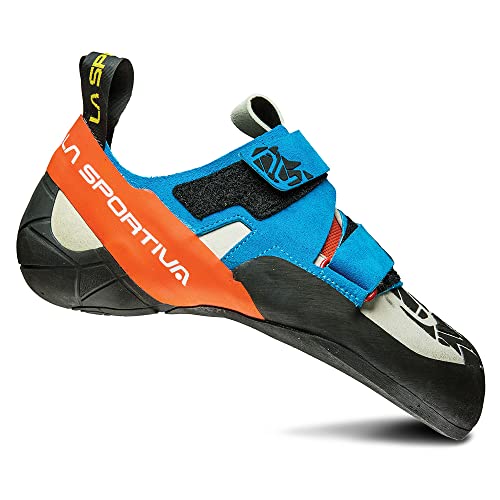
Climbers wanting a more supportive technical option can also consider La Sportiva Mens Otaki Rock Climbing Shoe, while broader-footed climbers may prefer a high-volume design such as the Mad Rock model listed above. For more practical shopping comparisons, visit our Auto and Vehicles category.
Frequently Asked Questions
What makes a climbing shoe suitable for bouldering?
A suitable bouldering shoe fits securely, provides dependable rubber friction, and matches the wall angles you climb most often. Toe and heel coverage can be especially useful because short problems frequently include hooks and body tension.
Should bouldering shoes be painful?
They should feel snug and secure, but sharp pain, numbness, or severe toe curling indicates an unsuitable fit. Performance gains from excessive tightness rarely compensate for reduced practice time and poor concentration.
Are aggressive shoes necessary for beginners?
No, beginners can learn edging, smearing, and balance effectively in a neutral or moderately curved model. A forgiving shoe often encourages better technique because you can focus on movement rather than managing discomfort.
How much should climbing shoes stretch?
Leather generally stretches more than synthetic uppers, while microfiber and engineered materials tend to remain comparatively stable. Buy for a snug initial fit and check the product guidance instead of assuming every model will relax the same amount.
Are Velcro climbing shoes better than lace-up shoes?
Velcro shoes are faster to remove and adjust between bouldering attempts, making them popular in gyms. Laces can distribute tension more precisely, which may help climbers whose feet need customized support.
What rubber is best for indoor bouldering?
There is no universally superior compound because softness, friction, durability, and technique all matter. Sticky rubber can improve confidence on volumes, while a harder compound may last longer against abrasive plastic and repeated toe dragging.
Can one pair handle climbing and bouldering?
Yes, a moderately downturned and moderately asymmetric shoe can cover both activities effectively. Extremely specialized shoes may perform better on steep projects but become less comfortable on long routes or varied outdoor days.
What is the most versatile choice among Best Rock Climbing Shoes for Bouldering in 2026?
The SCARPA Vapor V stands out as a versatile direction because its shape balances edging support, comfort, and overhang capability. Your foot shape and preferred fit should still determine the final decision.
How should I clean climbing shoes?
Allow them to air dry away from direct heat, brush away loose dirt, and avoid soaking materials unless the manufacturer specifically permits it. Heat can damage adhesives and distort the fit, shortening the shoe’s useful life.
When should climbing shoes be replaced?
Replacement becomes appropriate when the rand is badly damaged, the outsole is worn through, or the upper no longer holds your foot securely. Resoling may be worthwhile when the upper and shape remain structurally sound.