
Boots face more than rain alone, since road salt, mud, damp grass, and repeated cleaning can gradually weaken their outer materials. The right waterproofing treatment helps reduce water absorption while preserving the comfort, appearance, and breathability your footwear was designed to provide.
We compared 7 options from brands including Nikwax, Atsko, Crep Protect and more, covering spray-on protectors, leather wax, and technical fabric treatments. This guide explains which formula suits leather, suede, nubuck, canvas, or waterproof membranes, while helping you avoid common application mistakes.
Material compatibility matters more than a dramatic label claim, because a heavy wax may suit full-grain leather but interfere with soft suede. If you are also planning broader outdoor purchases, our home and living category guides provide additional practical comparisons.





Buying Guide for the Best Thing to Waterproof Boots
1. Match the Formula to Boot Material
First identify whether your boots use smooth leather, suede, nubuck, textile, canvas, or a waterproof membrane. Each material absorbs treatments differently, so a product that works beautifully on leather may darken nap or leave fabric feeling coated.
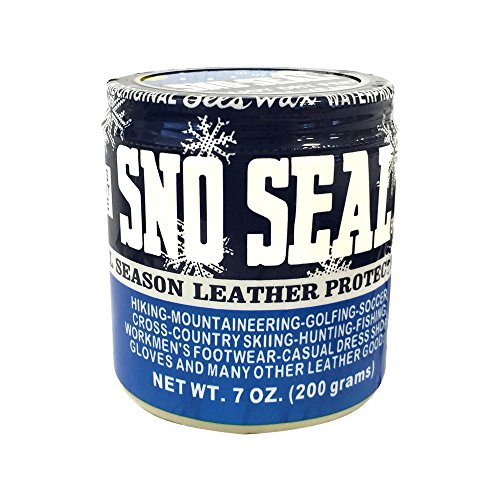
Sprays generally offer broader compatibility, while beeswax creates a more substantial surface barrier on suitable leather. Nikwax Fabric & Leather Proof is designed for combination footwear, whereas Atsko Sno-Seal is primarily a conditioning waterproofing choice for leather.
Read the boot manufacturer’s care label before applying anything. When instructions are unclear, spray a small hidden area first, allow it to dry completely, and compare color, texture, flexibility, and water behavior before treating the entire pair.
2. Choose Protection for Your Actual Weather
Light rain and occasional sidewalk splashes require less intensive protection than repeated hiking through wet vegetation or standing water. A thin hydrophobic spray can be convenient for everyday shoes, but demanding conditions may favor a treatment formulated to renew a durable water-repellent finish.
Consider how long moisture remains on your boots rather than focusing only on whether droplets bead initially. Water resistance reduces absorption, but it cannot make damaged seams, open tongues, or worn soles completely waterproof.
For commuting and casual outdoor use, prioritize easy reapplication and clean coverage. For trail boots, favor compatibility with breathable construction and apply protection before the forecast changes, not immediately before leaving home.
3. Preserve Breathability and Comfort
Breathability allows moisture vapor from your feet to escape, which can matter as much as blocking outside rain. A treatment that seals every surface aggressively may keep droplets away while making boots feel warmer, clammy, or less comfortable during active use.
Technical footwear often uses Gore-Tex or comparable waterproof membranes that depend on a clean, breathable outer layer. Nikwax Fabric & Leather Proof specifically emphasizes restoring repellency without softening leather, making formulation details important for performance footwear.
Use the lightest effective coating and follow drying instructions carefully. Avoid adding wax to membrane footwear unless the manufacturer explicitly permits it, because a heavy layer can alter flexibility and reduce the ventilation you bought the boots to provide.
4. Compare Water and Stain Resistance
Water repellency and stain resistance overlap, but they are not identical benefits. A hydrophobic layer can encourage droplets to roll away, while stain protection helps reduce the ability of dirt, oil, and grime to attach firmly to the surface.
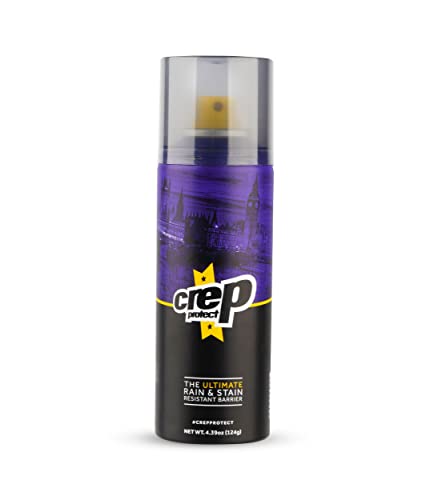
Sprays such as Crep Protect Shoe Protector Spray and WITOROR Shoe Protector Spray are positioned for mixed protection across several footwear materials. Their broader use cases may suit households caring for sneakers, boots, bags, jackets, and other outdoor items.
If your main concern is muddy trail use, examine cleaning convenience alongside water resistance. A treatment that helps dirt release during ordinary wiping may save more effort over time than one that only produces impressive beading during a quick test.
5. Evaluate Application and Drying Time
The best formula is not useful if the application process is too inconvenient to repeat. Spray products typically require clean, dry footwear, even coverage, ventilation, and enough curing time for the protective layer to form properly.
Product instructions can differ substantially, including whether a second coat is recommended and how long the boots should remain untouched. Crep Protect describes a two-coat approach, while other protectors emphasize spraying from a measured distance before allowing additional drying.
Plan treatment at least a day before demanding conditions whenever possible. Never judge a product while the surface is still damp, and do not wear boots outdoors until the treatment has dried without tackiness, strong odor, or visible pooling.
6. Consider Coverage and Reapplication
Coverage depends on boot height, surface condition, material absorbency, and the amount applied per coat. A tall pair of hiking boots can consume noticeably more product than low shoes, especially when leather or fabric absorbs the first application.
Look for practical guidance about bottle capacity and expected treatment intervals rather than assuming one application lasts indefinitely. WITOROR describes protection lasting up to a month, while Crep Protect indicates its treatment may last several weeks under suitable conditions.
Reapply when water stops beading, the material begins darkening quickly, or cleaning removes the finish. Frequent wear, abrasion, salt exposure, and repeated washing all shorten protection, so your schedule should follow use rather than a fixed calendar alone.
7. Check Safety, Odor, and Workspace Needs
Waterproofing sprays should be applied outdoors or in a well-ventilated area, away from flames, food, children, and pets. Even formulas described as low odor require sensible handling because airborne particles should not be inhaled.
Formula details can help separate everyday convenience from specialized care. Nikwax products are water based, PFAS-free, non-persistent, and aerosol-free, while several shoe sprays emphasize no strong odor or reduced risk of discoloration.
Regardless of marketing language, follow the label and use gloves if recommended. Protect nearby floors and furniture with a disposable covering, and let footwear dry in a controlled location where overspray cannot settle on finished surfaces.
8. Weigh Conditioning Against a Thin Protective Film
Some treatments primarily create a water-repellent film, while others also condition and preserve leather. That distinction affects how boots feel, look, and respond to repeated flexing over months of use.
Atsko Sno-Seal uses beeswax to help keep leather from soaking up water and becoming heavier. This approach can be valuable for traditional leather boots, but it may darken certain finishes and is not automatically suitable for suede, mesh, or membrane footwear.
If maintaining the original texture is your priority, begin with a compatible spray and use thin coats. If leather is already dry and exposed to harsh conditions, a conditioning wax may offer more substantial care, provided the boot maker approves it.
9. Compare Versatility With Specialized Performance
Versatile protectors can simplify household storage because one product may serve boots, sneakers, jackets, tents, backpacks, and similar gear. That convenience is useful when different family members own footwear made from different materials.
Specialized products may provide clearer guidance for one construction type. Nikwax Fabric & Leather Proof focuses on footwear, while Nikwax TX.Direct Spray-On Waterproofing, 300ml is intended for waterproof clothing and outerwear rather than ordinary boot treatment.
Choose versatility when you need occasional maintenance across many items. Choose specialization when a valuable technical boot has a precise care system, because compatibility and predictable results usually matter more than having one bottle for everything.
| Need | Suitable approach | What to verify |
|---|---|---|
| Smooth leather boots | Leather-compatible spray or wax | Color change, conditioning, breathability |
| Suede or nubuck | Light spray made for delicate materials | Hidden-area test and nap texture |
| Fabric combination boots | Technical spray-on waterproofer | Membrane compatibility and drying instructions |
| Casual sneakers | Hydrophobic rain and stain spray | Mesh limitations and reapplication interval |
For more buying guidance across practical household products, you can also browse the Uncategorized product guides. The same principle applies throughout: match the product’s actual design to the task instead of choosing solely by the strongest waterproof wording.
Why You Should Trust Us
We built this comparison from the supplied product specifications, stated materials, application directions, intended uses, and listed feature claims. Our shortlist includes spray protectors, technical footwear treatments, clothing waterproofing, and traditional leather wax so readers can see meaningful differences.
We did not claim physical testing where the available information did not support it. Instead, we evaluated compatibility, application demands, breathability considerations, versatility, and the trade-offs created by each product’s stated formula.
We also distinguish footwear treatments from products intended for jackets or outerwear, because category labels can otherwise create avoidable mistakes. Product information, availability, and specifications can change, so our comparison should be checked against the current listing before purchase.
Final Thoughts
Our best overall choice is Nikwax Fabric & Leather Proof for readers caring for combination fabric and leather footwear. Its spray-on design, compatibility with technical waterproof footwear, and emphasis on restoring repellency without softening leather make it a balanced option for hiking and everyday boots.
For broad household usefulness, WITOROR Shoe Protector Spray stands out as a practical value-oriented pick. Its stated use across leather, suede, nubuck, canvas, sneakers, jackets, tents, and backpacks gives you flexibility when several items need routine moisture and stain protection.
For traditional leather boots facing persistent wet conditions, Atsko Sno-Seal 1330 Original Beeswax Waterproofing is the specific-use recommendation. Its beeswax coating helps condition leather and reduce water absorption, although you should test for darkening and avoid using it on materials requiring a lighter spray treatment.
Those wanting a sneaker-focused option can consider Crep Protect Shoe Protector Spray, while everyday outdoor users may prefer BERIOVE Boot Waterproof Spray for Outdoor. Whichever route you choose, clean the boots first, apply evenly, and confirm material compatibility before treating the full surface.
FAQs
What is the best thing to waterproof boots made from leather?
A leather-compatible spray or beeswax treatment can work well, depending on the desired finish and boot construction. Smooth leather may accept Sno-Seal, while a lighter spray is often preferable when preserving appearance and flexibility matters.
Can waterproofing spray be used on suede boots?
Some sprays are designed for suede and nubuck, but you should always confirm the label first. Test a concealed area, because even compatible products can slightly alter color or the texture of the nap.
How often should boots be waterproofed?
Reapply when droplets stop beading or the material begins absorbing moisture quickly. Heavy wear, abrasive trails, salt, and repeated cleaning may require more frequent maintenance than occasional casual use.
Should boots be cleaned before applying waterproofing?
Yes, dirt and old residue can prevent an even protective layer from bonding with the surface. Clean according to the boot maker’s instructions, then allow the footwear to dry before applying the treatment.
Does waterproofing make boots completely waterproof?
Waterproofing treatments improve resistance but cannot repair damaged seams, worn membranes, open stitching, or flooded openings. They work best as maintenance for boots that are structurally sound and properly fitted.
Can waterproofing damage boot breathability?
Heavy coatings may reduce ventilation, particularly when applied too thickly or used on technical footwear without approval. Choose a breathable, compatible formula and follow the recommended application amount.
What is the top-rated option among Best Thing to Waterproof Boots in 2026?
The supplied comparison highlights several highly rated choices, but the right option depends on material and intended use. Nikwax Fabric & Leather Proof is especially compelling for combination footwear and technical boots.
Is wax better than spray for boot protection?
Wax can provide substantial protection and conditioning for suitable smooth leather, while spray is usually easier to apply across mixed materials. Neither is universally better, so construction and care instructions should decide.
Can one waterproofing product treat boots and jackets?
Some versatile sprays list footwear and outdoor gear among their intended uses, but clothing treatments may be designed for different fabrics. Nikwax TX.Direct Spray-On Waterproofing, 300ml is aimed at waterproof clothing, so do not substitute products without checking compatibility.
How long should waterproofed boots dry?
Drying time varies by formula, temperature, humidity, and application thickness. Follow the product directions, allow extra time when conditions are cool, and wait until the surface feels completely dry before wearing the boots.